
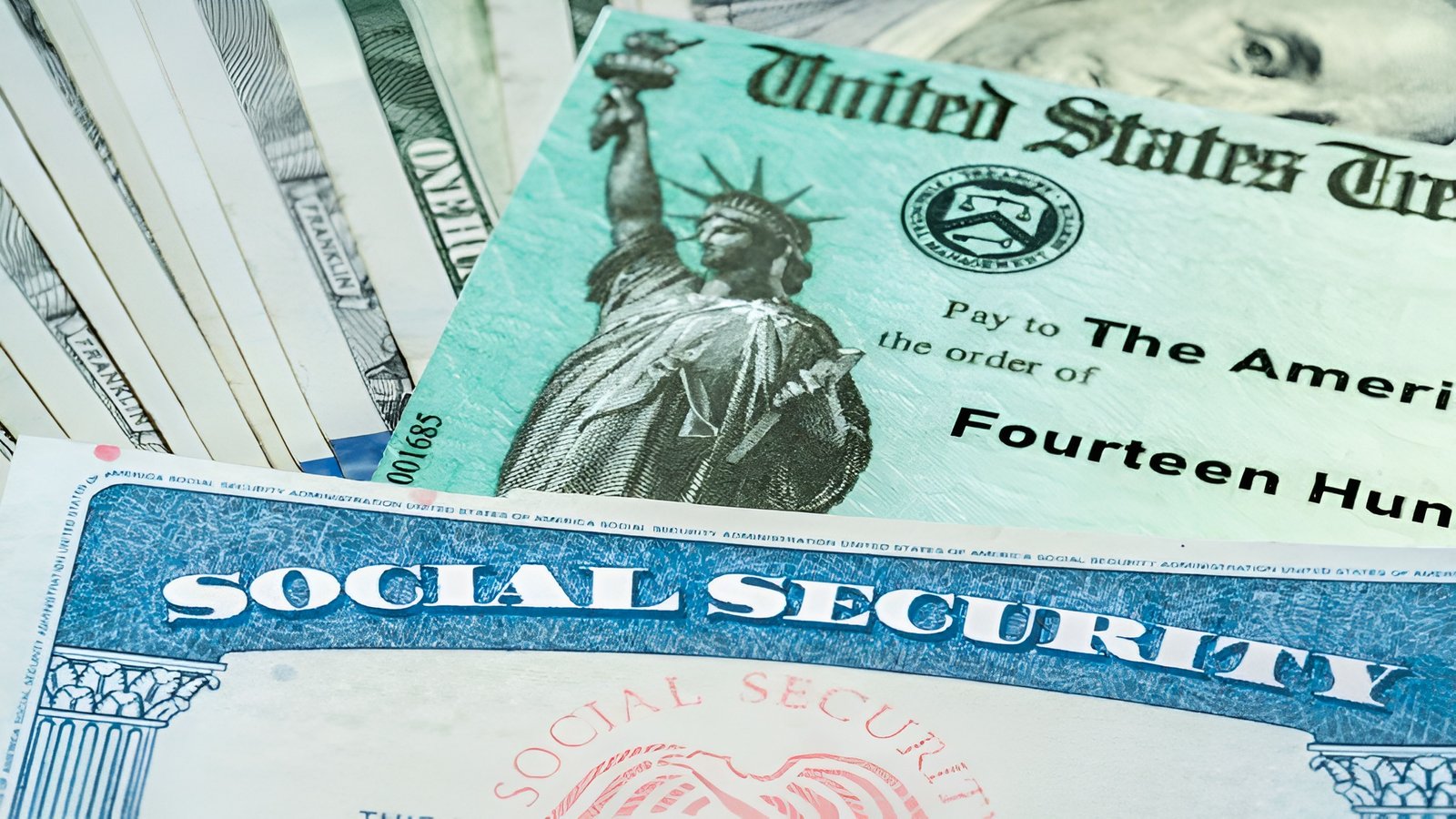
End of All Social Security Paper Checks: For nearly a century, the light green paper check arriving in the mail each month was more than just a financial transaction. It had become a symbol of financial security for millions of retired and disabled Americans. When income sources were limited due to retirement or permanent disability, this check provided a foundation of stability, reliability, and independence in their lives.
But in 2025, the U.S. government took a significant step to change this long-standing practice. The plan was to discontinue paper checks on September 30, 2025. This move aimed to embrace modern payment systems and promote digital payments. However, within weeks, the plan was reversed, bringing relief to beneficiaries.
This reversal highlighted that policy cannot be solely driven by efficiency and cost savings. The human element, technological access, and the diverse needs of beneficiaries are equally crucial.
Why did the government plan to eliminate paper checks?
In August 2025, the U.S. Treasury Department announced that federal agencies, including the Social Security Administration (SSA), would cease issuing most paper checks starting September 30, 2025.
The main reasons:
- Faster and more secure payments: Electronic payments—whether direct deposit or prepaid debit cards—are faster, more secure, and more reliable. Paper checks were often lost, stolen, or misused.
- Cost reduction: The cost of printing and mailing a paper check was approximately 50 cents, while electronic payments cost less than 15 cents. On a large scale, this cost saving was significant.
- Technological modernization: By mid-2025, over 99% of beneficiaries were already enrolled in electronic payments. Therefore, the government saw adopting digital payments as easy and widely accepted.
Overall, the move was seen as an effort to improve administrative efficiency, reduce costs, and enhance security.

Why was the plan reversed, and what changed?
In late September 2025, the SSA suddenly announced that paper checks would continue—at least for those who genuinely needed them. Several factors contributed to this change:
Needs of vulnerable beneficiaries:
- An estimated 400,000 beneficiaries use paper checks. These include senior citizens, people with disabilities, rural residents, and those without bank accounts or internet access. For them, paper checks were not just an option but a necessity.
Organizational and political pressure:
- Organizations serving the elderly and members of parliament warned that adopting a digital-only payment system could leave many people without access to their payments. This could lead to increased financial insecurity and social isolation.
Disruption and PR risks:
- If the cuts resulted in checks not arriving on time or caused confusion among recipients, it could also pose a risk to the government’s reputation. The Social Security Administration (SSA) considered this risk and adopted a flexible and inclusive approach.
Therefore, the strict deadline has now been postponed. Paper checks will continue to be issued, and beneficiaries will be gradually encouraged to switch to digital payments.
What does the continuation of paper checks mean?
- Paper checks are not ending yet:
- Those who still receive benefits via mail will experience no disruption. Payments will continue, and beneficiaries will not face any issues for not switching to digital payments.
- Encouraging electronic payments:
- Those who have a bank account or can use a prepaid debit card are encouraged to adopt digital options. It’s faster, safer, and more reliable.
- Acknowledging the digital divide:
- Exemptions are in place for those who lack access to banking or the internet or who are unfamiliar with digital tools. This demonstrates that “one size does not fit all.“
- Stability and human-centered policy:
- The continuation of paper checks maintains financial stability for beneficiaries. It shows that people’s real needs cannot be overlooked when making administrative changes.
Suggestions for Beneficiaries
1. If you have a bank account:
- Adopting direct deposit is the safest and fastest method. It ensures that payments arrive on time and securely.
2. If you don’t have a bank account:
- Receiving payments via a prepaid debit card is an option. This is a secure digital payment alternative without the need for traditional banking.
3. If digital options are not feasible:
- Paper checks will continue. Maintain regular contact with the SSA and carefully read all communications.
4. Questions or concerns:
- Contact the SSA or the Treasury’s payment solutions center to confirm your payment and paper check status.

The Future and Policy Lessons
This change is not just a policy revision; it demonstrates the need for a balance between modernization and a human-centered approach.
- Balancing convenience and accessibility:
- Digital payments are faster and cheaper, but those without access to digital tools or banking may be left behind.
- One size does not fit all:
- The needs of everyone, from tech-savvy retirees to senior citizens in rural areas, are different.
- Flexibility is crucial:
- A rigid deadline ignored the diverse realities of people’s lives. A flexible approach acknowledges real-world needs.
- Human-Centered Modernization:
- This clarifies that modernization is not solely about efficiency or cost savings. Its purpose is also to ensure people’s financial security, convenience, and stability of life.
Conclusion
For now, paper checks are not going away. The government will continue to gradually encourage beneficiaries to switch to digital payments. But this change demonstrates that policy should be tailored not only for efficiency but also to meet people’s needs.
This is welcome news for beneficiaries, especially those who are unable to use banking or digital tools. This development also provides a significant example of flexibility and inclusivity in government policymaking.
